A single leak under the slab or behind a wall can put you in a tough spot fast. The real question is not just how to stop the water today, but whether pipe repair vs repiping is the smarter investment for your home or property over the next few years. In Central Florida, where aging plumbing, hard water, and shifting soil can all play a role, that decision matters.
Pipe repair vs repiping: what is the difference?
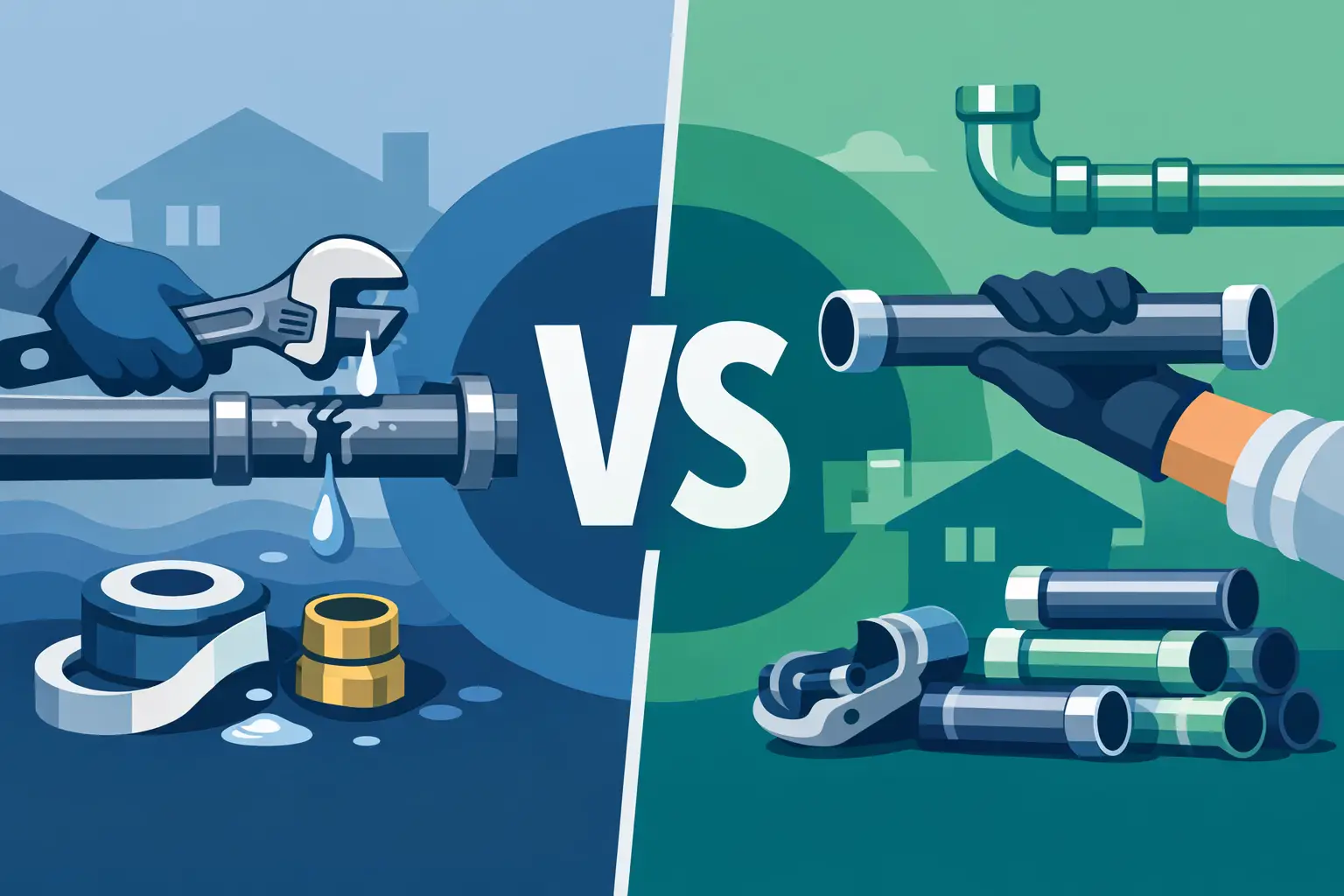
Pipe repair means fixing a specific problem area. That could be a pinhole leak, a cracked section of pipe, a bad joint, or corrosion in one accessible spot. The goal is targeted correction with the least disruption possible.
Repiping means replacing a larger portion of the plumbing system, or in some cases the whole system. This is usually recommended when pipe problems are no longer isolated. Instead of chasing one leak after another, repiping addresses the underlying condition of the network.
Neither option is automatically right or wrong. A focused repair can be the best value when the problem is limited and the rest of the system is in good shape. Repiping makes more sense when the pipes themselves are reaching the end of their useful life or showing signs of widespread failure.
When pipe repair is usually the better choice
If your plumbing system is relatively newer and the issue is clearly contained, repair is often the most practical route. A single damaged section caused by accidental impact, one failed fitting, or one localized leak does not always justify replacing everything.
Repair also tends to make sense when the pipe material is still reliable overall. For example, if most of the lines are in solid condition and a plumber can confirm the problem is limited to one area, a targeted fix can restore service without the cost and disruption of a larger project.
This approach is often a good fit when:
- the leak is isolated
- the pipe material is still serviceable
- water pressure is otherwise normal
- there is no pattern of recurring leaks
- inspection does not show widespread corrosion or deterioration
In these cases, a professional repair can be fast, cost-effective, and durable. For many homeowners and property managers, that is the right answer.
When repiping starts to make more sense
Repiping enters the conversation when plumbing issues stop looking random and start looking systemic. If leaks keep appearing in different places, if water quality has changed, or if pressure problems are becoming common, a repair may only buy you time.
Older homes are especially likely to run into this problem. Galvanized steel pipes, aging copper, or outdated polybutylene systems can all reach a point where one repair leads to another. At that stage, you are not just paying for pipe repair. You are paying for repeated service calls, wall access, patchwork fixes, and ongoing uncertainty.
Repiping is often the better long-term choice when you notice repeated leaks, visible corrosion, rusty or discolored water, low pressure throughout the property, or clear signs that the piping material is outdated or failing. For landlords and commercial property owners, repiping can also reduce the risk of tenant disruption, water damage claims, and emergency calls at the worst possible time.
The hidden cost of choosing repair too long
A lot of people focus only on the first estimate. That is understandable. A repair usually costs less upfront than a repipe. But the lower initial number does not always mean lower total cost.
If your building has had multiple leaks in the past year, each new repair adds labor, materials, access work, and often drywall or flooring restoration. You may also be dealing with water shutoffs, lost time, and the risk of a major failure between appointments. What looks cheaper today can become more expensive over time.
This is where a clear inspection matters. A trustworthy plumber should not push a full repipe just because it is a bigger project. They should show you what they found, explain whether the issue is isolated or widespread, and help you compare short-term savings against long-term reliability.
Pipe age and material matter more than most people realize
Two homes can have the same leak and need completely different solutions. The difference often comes down to age and pipe material.
Copper can last a long time, but it is not immune to pinhole leaks, corrosion, or water chemistry issues. Galvanized steel tends to restrict water flow as it ages and can corrode from the inside. Polybutylene has a well-known history of failure. Even newer materials can develop issues if installation quality was poor or if the system has been under abnormal stress.
That is why pipe repair vs repiping cannot be decided by the leak alone. It has to be based on the condition of the system around the leak. If the damaged section is just one weak point in an otherwise healthy system, repair is reasonable. If it is one symptom of a larger problem, repiping is usually the safer path.
What a professional inspection should tell you
A good plumbing inspection should answer more than where the current leak is located. It should help you understand the bigger picture.
For this decision, you want to know the age of the pipes, the material in use, whether corrosion is visible, whether pressure issues suggest internal buildup or restriction, and whether there is evidence of previous repairs across the property. You also want to know how accessible the damaged area is. Sometimes a simple leak becomes a more complex repair because of where the pipe is located.
An experienced plumber should walk you through your options in plain language. That includes what can be repaired now, what risks remain if you choose repair, and how long a repipe project would take if replacement is the smarter move. At The Flush Club, that kind of inspection-first approach is what helps customers make confident decisions instead of rushed ones.
How disruption compares between repair and repiping
Repair is usually less invasive. If the problem is accessible and limited, the work can often be completed with minimal impact to the rest of the home or business.
Repiping is a larger job, so some disruption is expected. Depending on the size of the property and the scope of replacement, there may be temporary water shutoffs, wall access points, and a more involved schedule. That said, modern repiping is often more efficient than people expect, especially when the work is planned properly.
For many property owners, the question is not whether repiping causes disruption. It is whether planned disruption now is better than repeated emergencies later. In a home, that may mean avoiding future slab leaks or wall damage. In a commercial setting, it may mean protecting daily operations and avoiding unplanned downtime.
How to decide without guessing
If you are weighing pipe repair vs repiping, start with three practical questions. Has this happened before? How old is the system? Did the inspection show a single failure or a pattern?
If this is your first issue in a newer or otherwise healthy system, repair is often the right move. If the system is aging and the problems are stacking up, repiping is usually the better financial and operational decision, even if it costs more upfront.
It also helps to think about your plans for the property. If you expect to stay for years, long-term reliability matters more. If you manage rentals or commercial space, preventing repeat service interruptions may be worth the investment on its own. The right answer is not just about today’s leak. It is about what gives you the fewest problems six months from now and three years from now.
The best plumbing decisions are the ones made with clear information, not pressure. If you are dealing with a leak and wondering whether to repair one section or replace more of the system, get a thorough inspection, ask direct questions, and choose the option that solves the actual problem, not just the immediate symptom.