A slow drip under a sink can waste water for months before it becomes visible on a utility bill. A soft spot near a toilet, a water heater that sounds like it is popping, or one drain that suddenly gurgles can be an early warning too. This home plumbing inspection guide helps Central Florida homeowners spot those signs early, decide what can wait, and know when it is time to call a licensed plumber.
A basic inspection is not about taking apart pipes or trying to diagnose every problem yourself. It is about checking the areas that show trouble first: fixtures, drains, exposed supply lines, water heaters, and the outside plumbing connections that protect your home. For rental properties and small businesses, the same routine can help prevent disruptive calls from tenants or customers.
Start Your Home Plumbing Inspection With the Water Meter
Your water meter is one of the best tools for finding a hidden leak. First, make sure no one is using water inside or outside the property. Turn off faucets, irrigation, ice makers, washing machines, and appliances that may refill automatically. Then look at the meter and note the position of its leak indicator or the last number shown.
Wait 15 to 30 minutes without using water and check it again. If the indicator moves or the reading changes, water may be escaping somewhere in the system. Common causes include a running toilet, a leaking irrigation line, a slab leak, or a damaged water service line.
Not every meter movement means a major pipe failure. Some homes have water softeners, filtration equipment, or appliances that cycle automatically. Still, unexplained movement deserves a closer look, especially if you have noticed higher water bills, warm flooring, damp carpet, or the sound of water running when everything is off.
Check Fixtures, Toilets, and Visible Supply Lines
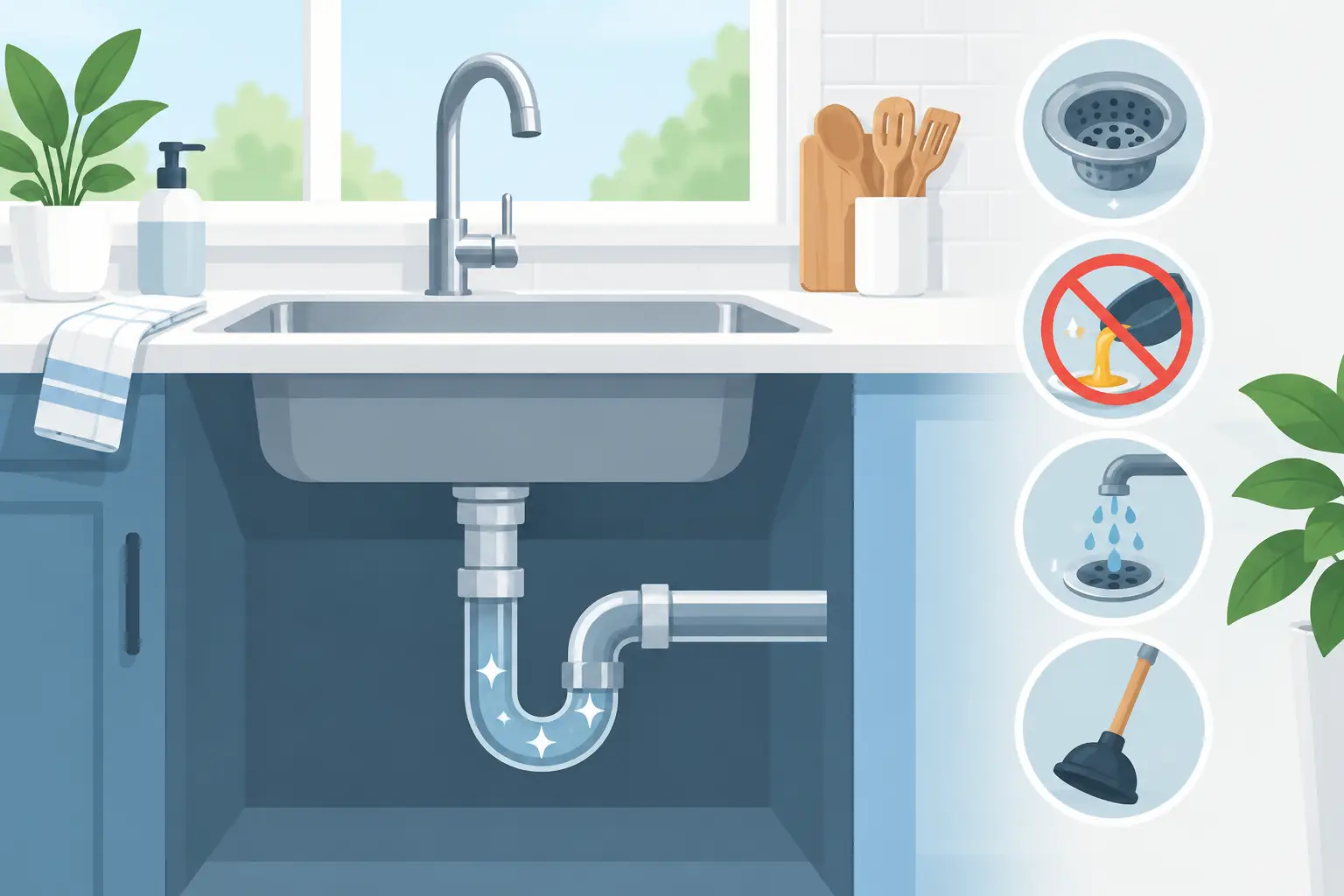
Walk through each bathroom, kitchen, laundry room, and utility area. Look beneath sinks with a flashlight, paying attention to shutoff valves, flexible supply hoses, drain traps, garbage disposals, and the cabinet floor. A small ring of moisture, corrosion on a valve, or swelling wood inside a vanity can point to a leak that has been developing slowly.
Turn each faucet on and off. Water should flow steadily and shut off completely. A faucet that drips after use may need a repair, while weak pressure at only one fixture may be caused by a clogged aerator or worn fixture component. Weak pressure throughout the home is more likely tied to a broader supply issue, a pressure regulator problem, or buildup in older piping.
Toilets deserve extra attention because they can leak without leaving water on the floor. Add a few drops of food coloring to the tank and wait about 15 minutes without flushing. If color appears in the bowl, the flapper is allowing water through. Also check around the toilet base for looseness, moisture, cracked caulk, or flooring that feels soft. Water around the base can come from a failed wax ring, condensation, a crack, or an active plumbing leak, and it should not be ignored.
Test Drains Before They Become Clogs
A drain does not need to be fully blocked to signal a problem. Run water in every sink, tub, and shower long enough to see whether it drains smoothly. Watch for slow draining, bubbling, gurgling, sewer odors, or water backing up in another nearby fixture.
One slow sink is often a local issue such as soap residue, hair, or buildup in the trap. Multiple slow drains, especially if toilets bubble when a shower runs, can suggest a main sewer line concern. This is where homeowners should avoid repeated chemical drain cleaners. Harsh products can damage some pipes, create a safety hazard, and fail to clear the actual obstruction.
Outside, inspect cleanouts if they are accessible and look for wet ground, unusual odors, or sewage near the pipe cap. Do not remove a cleanout cap if you suspect a backup. A blocked sewer line may be under pressure, and opening it can release wastewater quickly.
Pay Attention to What Changes After Heavy Rain
Central Florida’s intense rain can expose drainage and sewer problems that stay hidden during dry weather. If drains slow down after storms, water collects near the foundation, or sewage odors appear outdoors, document when it happens. The pattern can help a plumber determine whether the issue involves the sewer line, a damaged cleanout, a sump system, or drainage around the property.
Inspect Your Water Heater Carefully
Your water heater works every day, so minor changes are worth checking. Look around the base for moisture, rust, or white mineral deposits. Check the connections above the unit and the temperature and pressure relief valve discharge pipe for signs of dripping. The discharge pipe should point down toward the floor and should never be capped.
Listen while hot water is running. Popping or rumbling can indicate sediment buildup inside a tank-style unit. In areas with mineral-heavy water, sediment can reduce efficiency and shorten equipment life. The right next step depends on the heater’s age, condition, and manufacturer guidance. Flushing may help some units, but disturbing heavy sediment in an older water heater can sometimes reveal an existing weakness.
Make sure the area around the water heater is clear and that the unit has proper access for service. If you smell gas near a gas water heater, leave the area, avoid switches or open flames, and contact your gas utility or emergency plumbing professional right away. A gas odor is not a wait-and-see issue.
Look Outside for Water Line and Sewer Warning Signs
Outdoor plumbing problems can be expensive because they often continue unnoticed. Walk the property and look for unusually lush patches of grass, muddy areas during dry weather, pooling water, cracked pavement, or soil that seems to sink near a plumbing path. These signs can point to a leaking water line or damaged sewer pipe.
Check hose bibs and outdoor faucets for drips, cracks, or loose handles. Turn them on briefly and inspect the connection at the wall. If water appears inside the home or garage when an outside faucet runs, shut it off and arrange service promptly.
If your home uses a well, septic system, backflow device, sump pump, or water filtration equipment, include those systems in a professional maintenance plan. They require checks beyond a visual walkthrough. A sump pump should be tested according to the manufacturer’s instructions, while septic and well systems need service based on their condition, use, and local requirements.
Know Which Plumbing Problems Need Fast Help
Some findings can be scheduled during normal business hours, such as a minor faucet drip or a single slow drain. Others need immediate attention because water damage and contamination can spread quickly. Call for prompt professional help if you find any of the following:
- A burst pipe, active leak, or water that cannot be shut off
- Sewage backing up into a tub, shower, sink, or floor drain
- No water pressure throughout the property without a known utility outage
- A water heater leak, gas smell, or discolored hot water with unusual odor
- Water stains spreading across ceilings, walls, or floors
- Signs of a slab leak, including warm spots, unexplained water use, or the sound of running water
If a leak is active, locate the main water shutoff valve before an emergency happens. It is commonly near the water meter, garage, exterior wall, or mechanical area, but locations vary. Every homeowner, property manager, and responsible tenant should know where it is and how to use it.
Schedule a Professional Inspection When the Stakes Are Higher
A homeowner walkthrough is valuable, but it cannot replace diagnostic tools and experienced evaluation. A professional inspection may include pressure testing, camera inspection of drain lines, water quality checks, leak detection, and a review of water heater, sewer, and water line conditions.
Consider scheduling one before buying a home, after a major renovation, when taking over a rental property, or when your home is older and plumbing materials are unknown. It is also a smart move after repeated clogs, unexplained water bills, or any past water damage. The goal is not to sell unnecessary work. It is to identify the condition of the system, explain the options clearly, and address small issues before they disrupt your home or business.
For Central Florida property owners, The Flush Club can inspect concerns, explain what is causing the problem, and provide a clear estimate before repairs begin. A careful check today can protect your floors, walls, water supply, and peace of mind tomorrow.